Together, we rise.
Organized, we thrive.
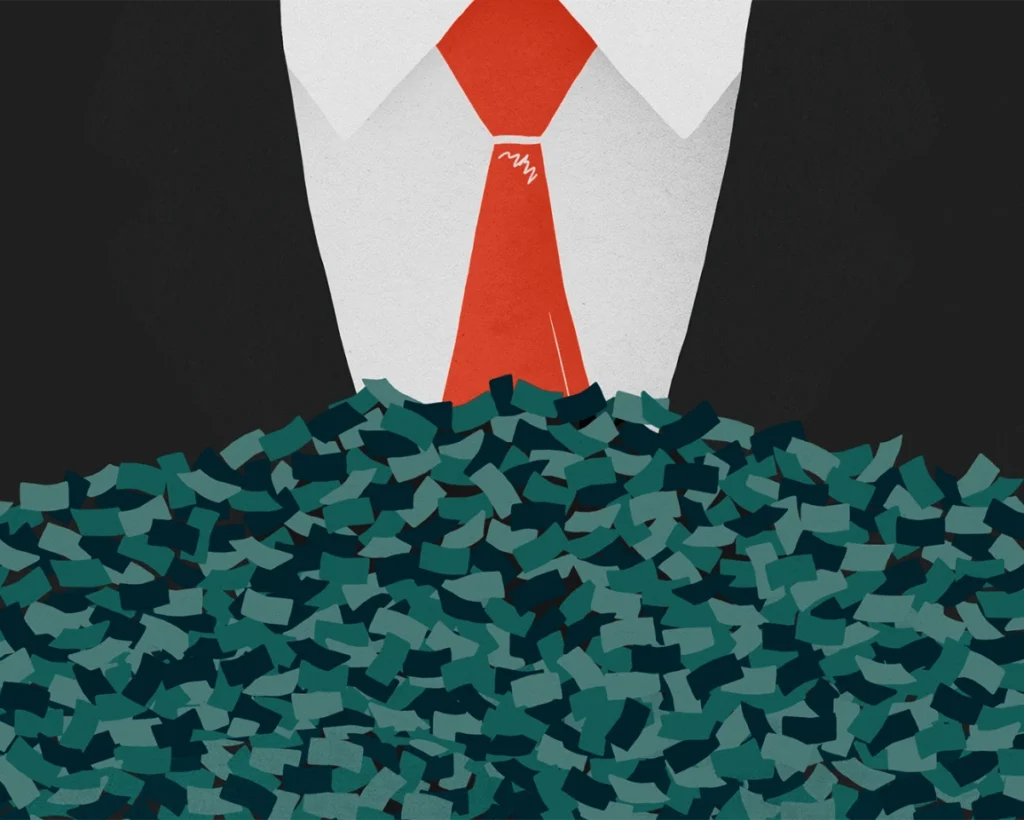
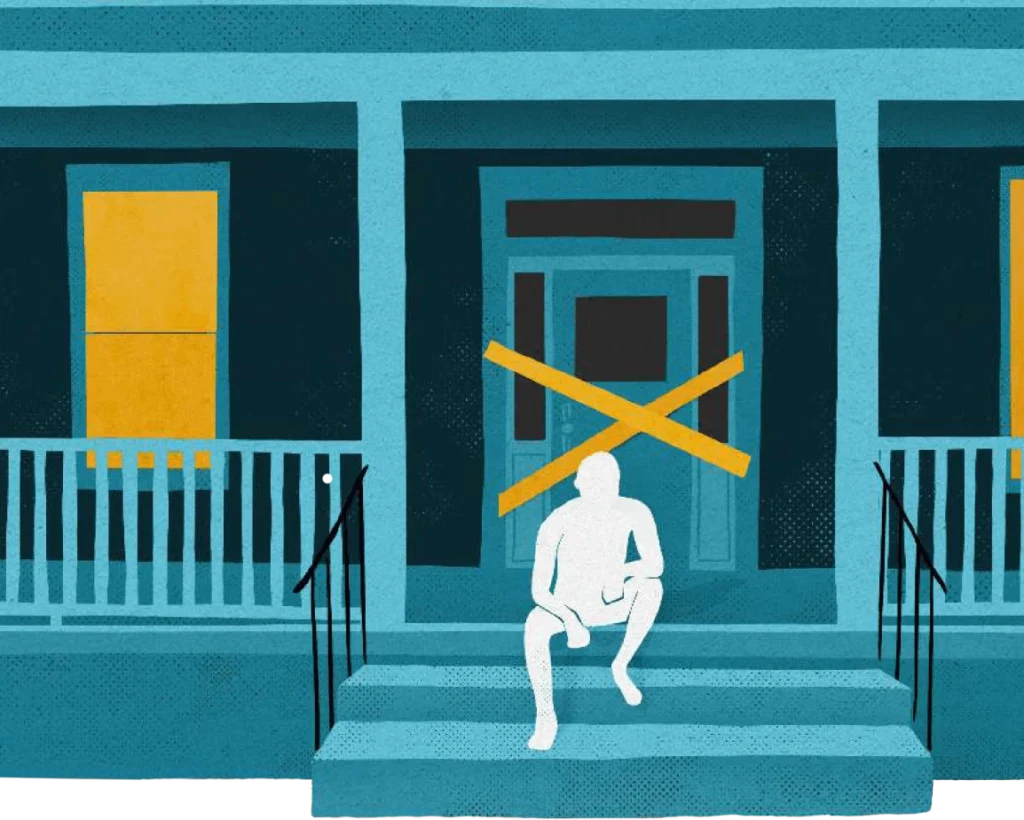
We face a triple crisis

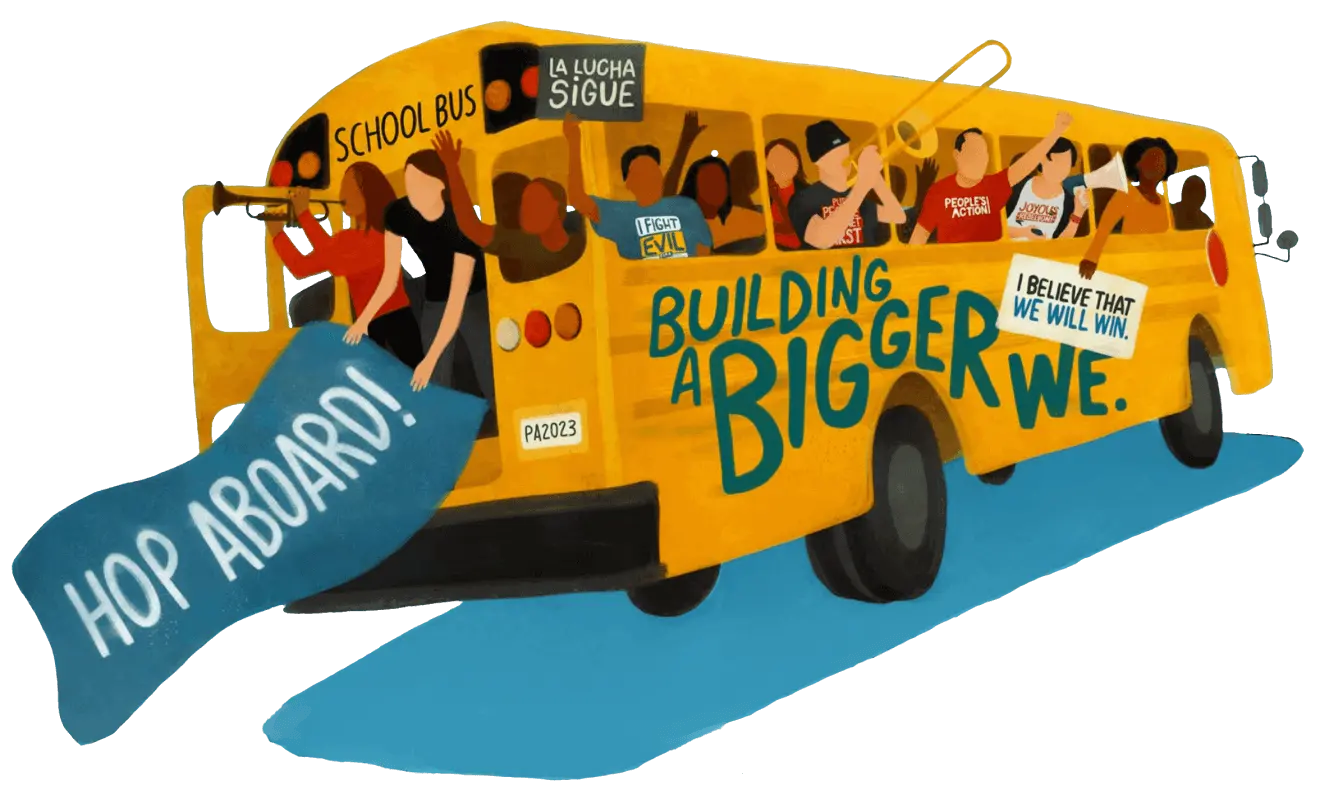
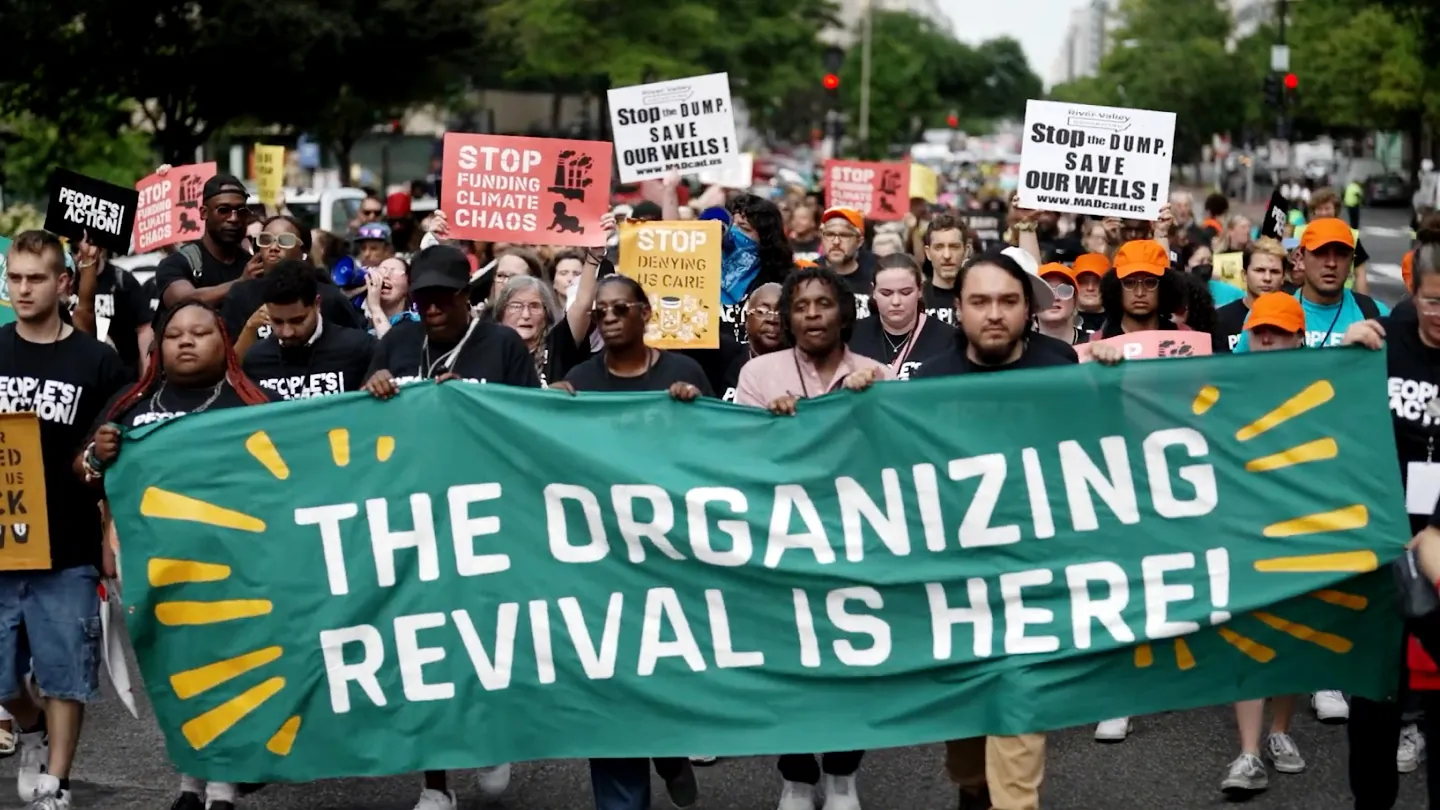
The Organizing Revival is here!
About Us
People’s Action builds the power of poor and working people in urban, rural, and suburban areas to win change through issue fights and elections. We are a national network of 40 state and local grassroots power-building organizations in 29 states, united in the work of building a bigger “we.”
Nine grassroots organizing networks came together in 2016 to form a powerful national organization with more than a million members to fight for our communities and win. Over five decades, we have won material improvements for the lives of millions of people, with victories that include the Community Reinvestment Act, Superfund, the Affordable Care Act, the Dodd-Frank Financial Reform Act and the MAT Act.
How we fight
These are our topline projects and campaigns that relate directly to how we drive the change we aim for. Check them out.


How we fight
People’s Action organizes around the issues that matter most to our members. Here are some of our priorities.

How we win
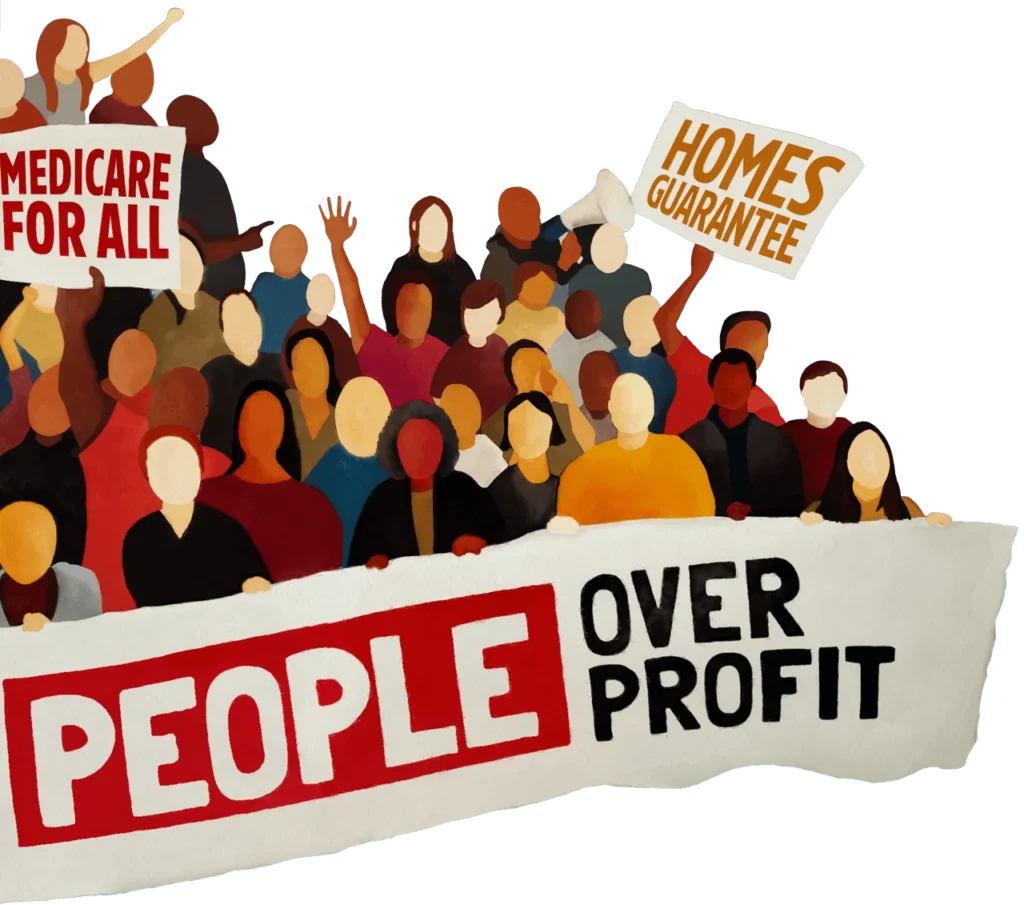
To build a diverse and inclusive democracy that reflects the voices of all, we emphasize community-driven, power-building initiatives. The Organizing Revival is our effort to strengthen the movement for social justice with the best practices of community organizing so we can build a multiracial democracy that works for all of us, combat authoritarian overreach, and find solutions to the crises we face.
Things you don’t want to miss
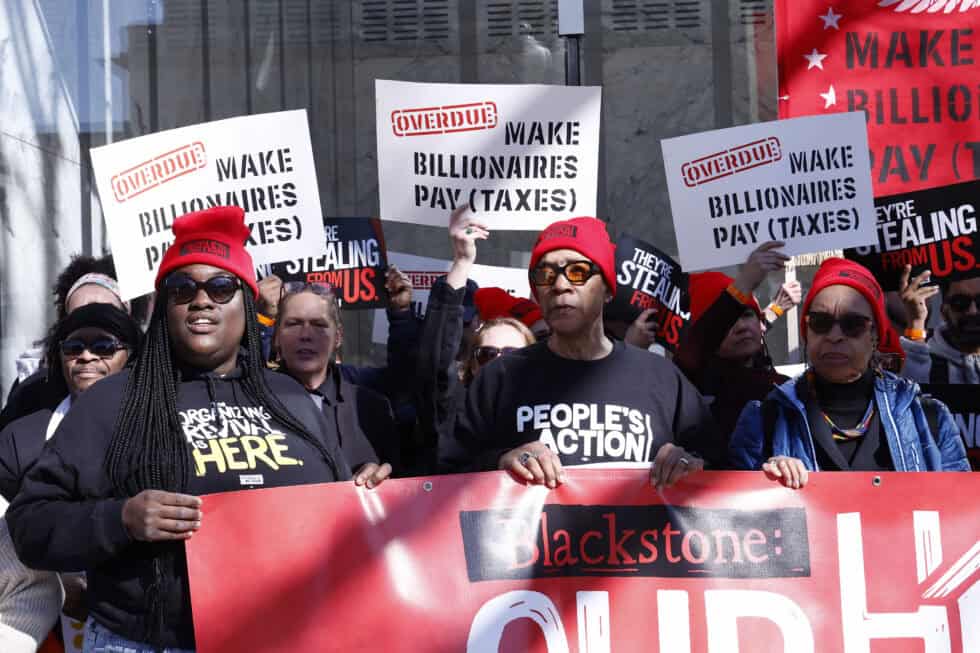
Building the Resistance
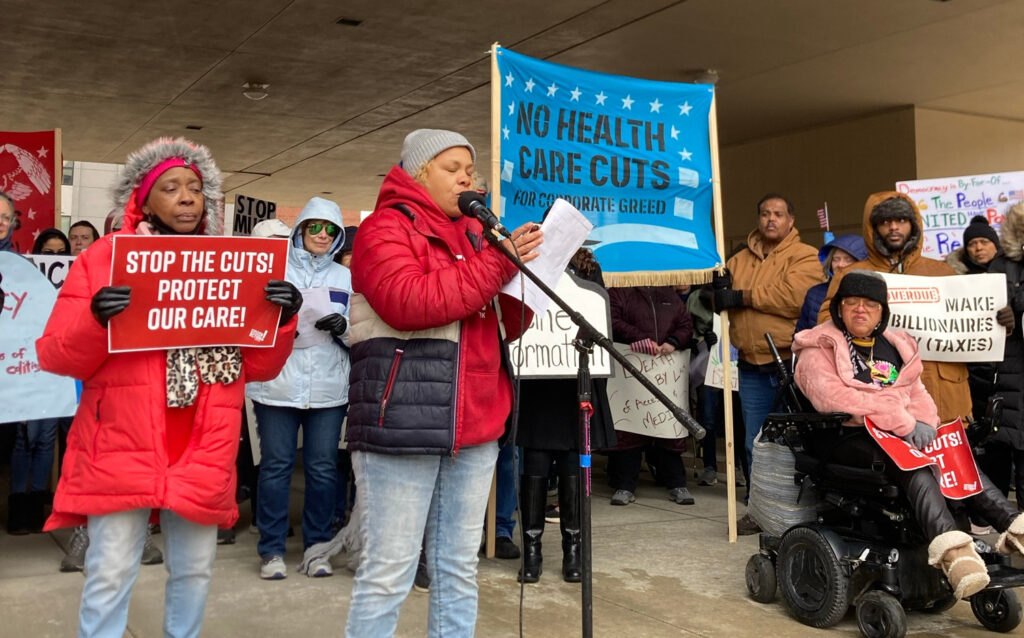
Into the Field: Whose House? Our House!
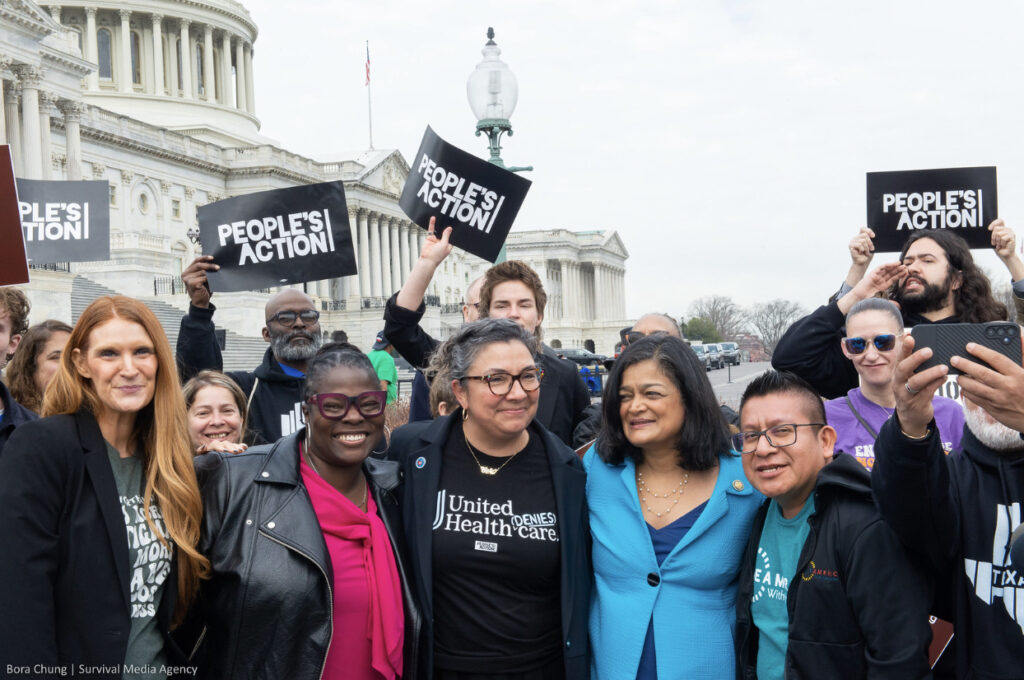
“Walk In My Shoes For a Day”: People’s Action Institute Members Speak Out Against Tax Cuts in Washington, D.C.
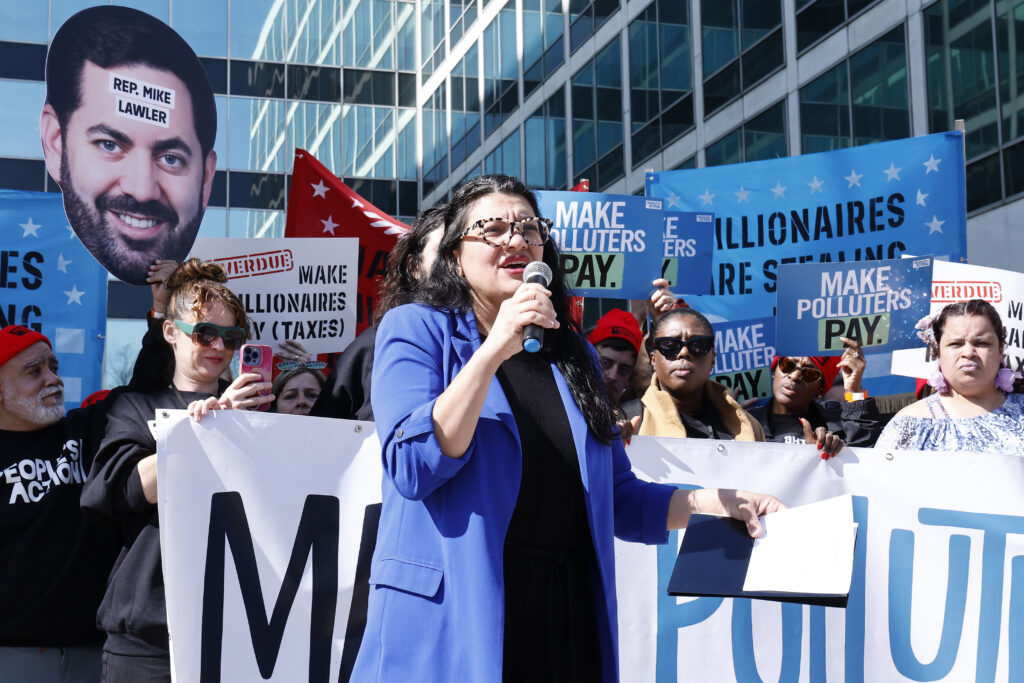
People’s Action Institute Confronts Corporations Seeking Tax Cuts in Washington, D.C.
The latest from people’s action
The True Cost of the GOP Budget in Dollars and Lives
The Senate Voted to Give Our Public Dollars to Billionaires, But We The People Get The Last Word
National Call to Action On Affordable Housing and Homelessness Solutions: Anniversary of SCOTUS Decision That Exacerbated The Crisis Magnified By Threatened Cuts to HUD
UnitedHealth Will Be a Top Beneficiary of Trump’s Project 2025
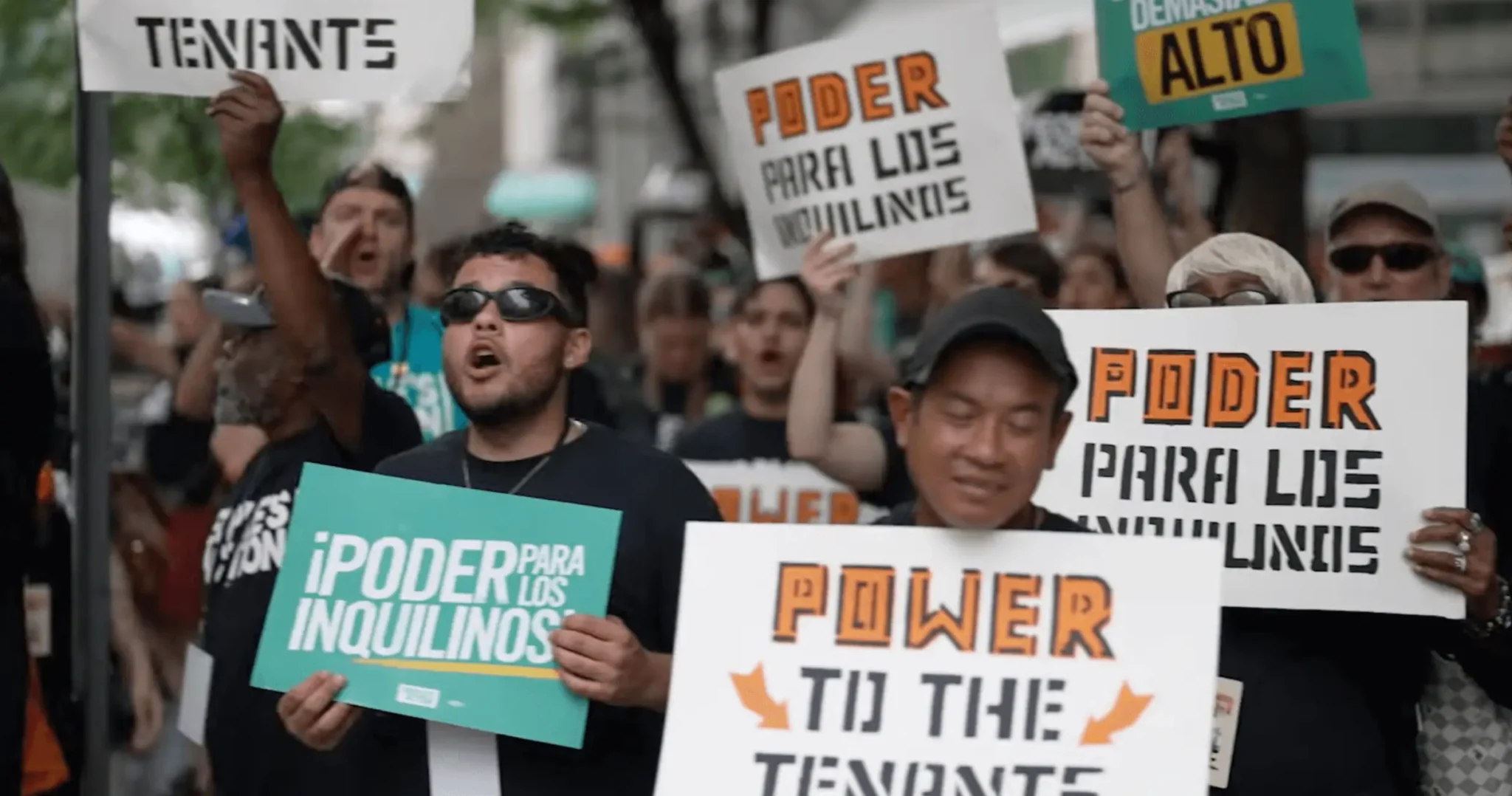
New York: CVH, CANY and VOCAL-NY Win Good Cause Protections for 1.5m Tenants
Common Dreams – Amid ‘Slow-Motion Coup,’ Manchin and Sinema Help GOP Sink Voting Rights